
Stop Wasting Time on Fad Diets: Try These 7 Longevity-Focused Nutrition Hacks
Let's be real. You've probably tried a fad diet. Maybe it was keto, a juice cleanse, or that week of cabbage soup. No judgment.
After coaching a lot of real people, here's the deal: the stuff that works for the long haul is simple and steady. No magic. No hype. Just habits you can live with.
Longevity nutrition isn't about restriction or perfection. It's about building a foundation that supports how you want to feel and move as you age. If you're ready to skip the drama and focus on what actually helps, let's dig in.
1. Make Friends with Color (Your Plate Should Look Like a Rainbow)
If your dinner plate looks beige, we need to talk.
The most powerful anti-aging tool in your kitchen isn't an expensive supplement; it's the produce section. Those bright colors in fruits and vegetables? They're packed with antioxidants that help protect your cells.
Here's your mission: aim for at least 3 different colors on your plate at every meal. Not because I said so, but because research shows that people who eat 8-10 servings of colorful produce daily have significantly lower disease risk and better longevity outcomes.
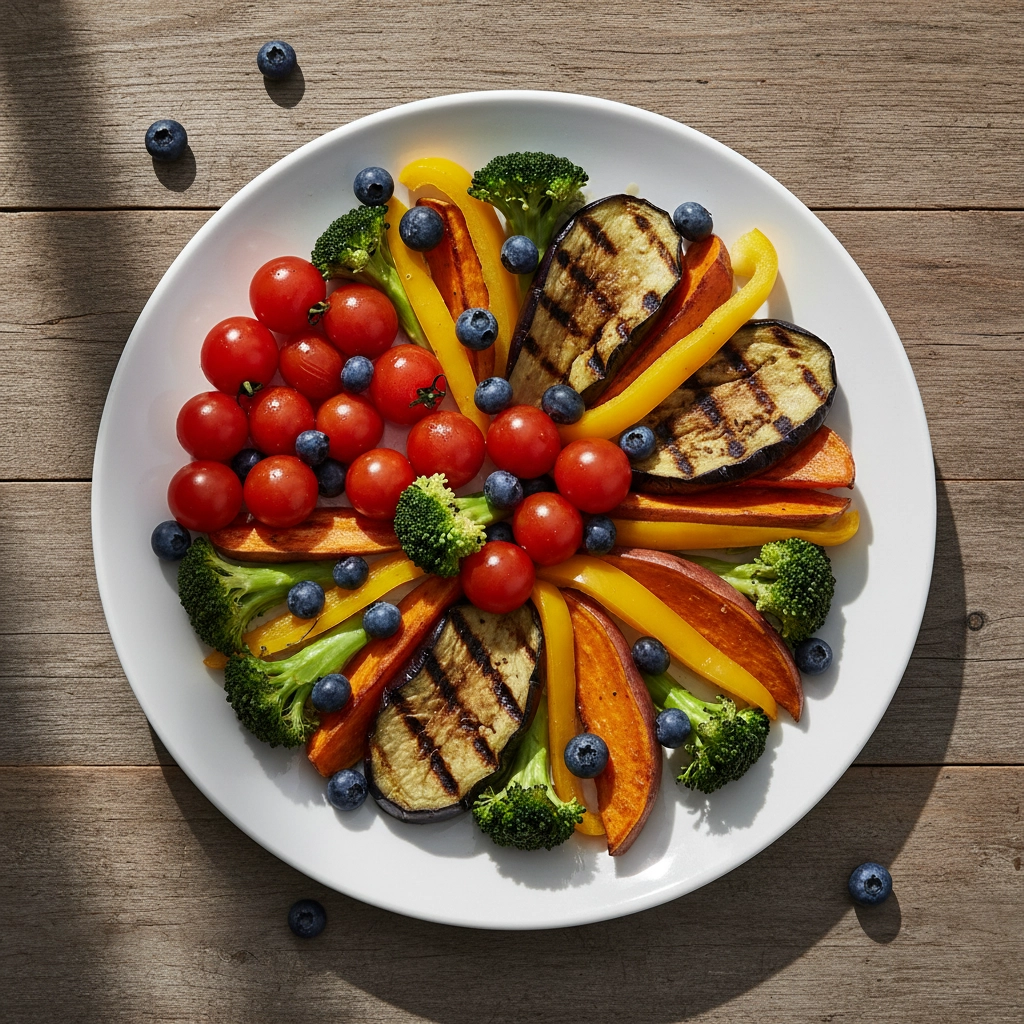
Quick wins:
Toss berries in your morning oatmeal
Add spinach to your eggs (it wilts down to nothing, promise)
Keep baby carrots and hummus as your go-to snack
Make smoothies with whatever's about to go bad in your fridge
The goal isn't perfection, it's progress. If you currently eat zero vegetables, start with one. If you already eat some, see where you can add more variety.
2. Fat Helps (And So Does Being Intentional with Sweets)
The fat-free craze of the 90s missed the mark.
Your body needs healthy fats to function well, especially as you age. Think omega-3s from fish, monounsaturated fats from olive oil and avocados, and some saturated fat from quality sources. Fats support brain health, hormones, and help you feel satisfied after meals.
About sugar: it isn’t the enemy. What trips most people up is frequent grazing on sweets and sweet drinks. Be intentional so you enjoy treats without them running the show.
Simple swaps:
Choose full-fat yogurt and add your own fruit
Cook with olive oil instead of processed vegetable oils
Snack on nuts or fruit with nut butter instead of crackers or candy
If you want something sweet, pair it with protein or fat to slow the blood sugar rise
This isn’t about cutting sugar completely. Enjoy the birthday cake. If sweets are daily for you right now, try planning them a few times per week and enjoy them on purpose—no guilt.
3. Your Gut is Your Second Brain (Feed It Accordingly)
Quick fact: your gut produces about 90% of your body's serotonin. The bacteria in your digestive system can influence how you feel, your energy levels, and your mood.
A healthy gut microbiome is linked to better immunity, clearer thinking, and yes: longevity. The good news? You don't need expensive probiotics or complicated protocols.
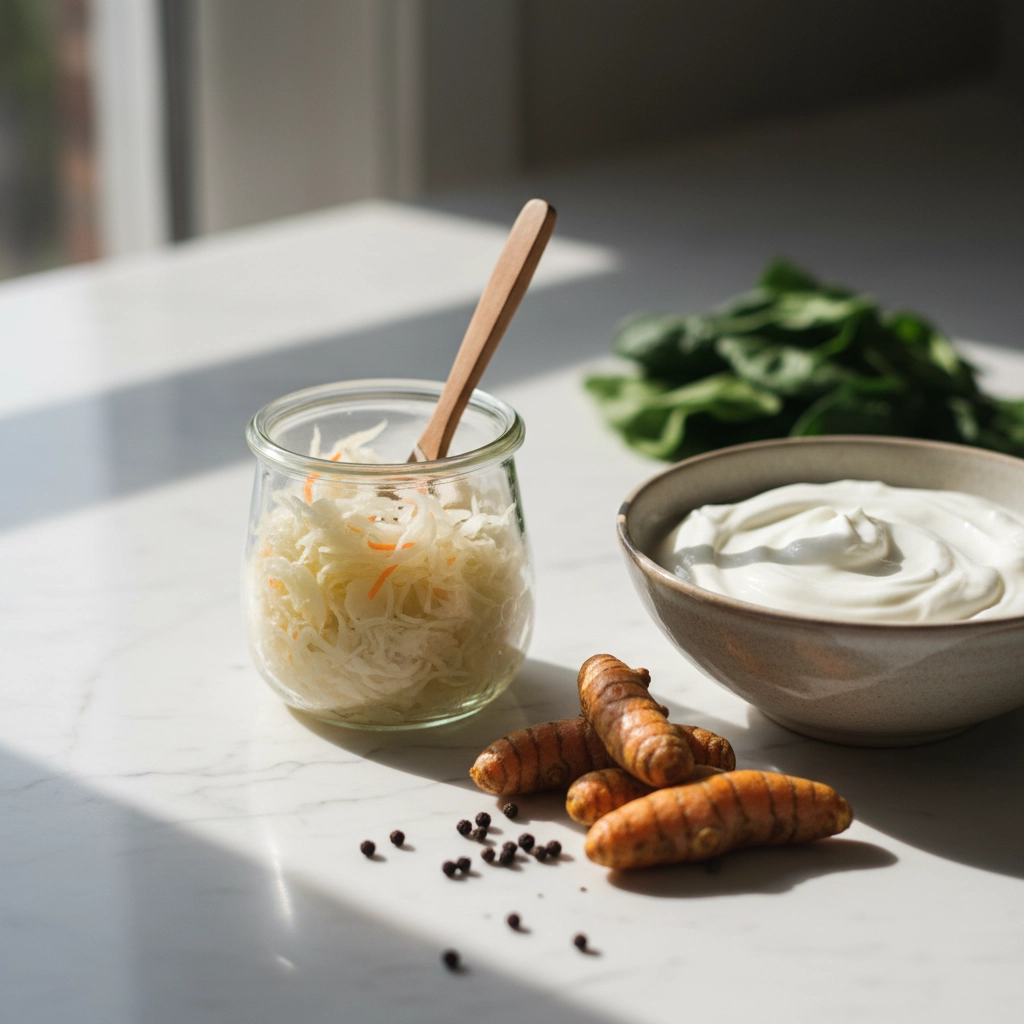
Simple gut-supporting moves:
Include fermented foods like sauerkraut, kimchi, or plain yogurt a few times per week
Add fiber gradually (your gut needs time to adjust)
Choose more minimally processed options when it’s easy; convenient choices like canned or frozen produce count
Consider adding turmeric and black pepper to your cooking (they work better together)
Start small. If fermented foods sound weird, mix a spoonful of plain kefir into a smoothie. Your gut—and your future self—will thank you.
4. Steal from the Mediterranean Diet (But Make it Work for Your Life)
The Mediterranean diet consistently ranks as one of the healthiest eating patterns on the planet. But here's the thing: you don't have to live on a Greek island to get the benefits.
The core principles are simple: lots of plants, quality proteins (especially fish), healthy fats, and yes: even some wine if that's your thing. It's about abundance, not restriction.
Mediterranean-inspired hacks for busy people:
Keep canned fish on hand for quick protein
Use olive oil as your default cooking fat
Make big batches of roasted vegetables on Sunday
Choose whole grains over refined ones when possible
Enjoy meals with people when you can
Notice what's NOT on this list? Counting calories, eliminating food groups, or following rigid rules. The Mediterranean approach is sustainable because it's actually enjoyable.
5. Master the Art of "Enough"
This might be the most important hack on this list: learning to eat until you're satisfied, not stuffed.
Most of us have lost touch with our hunger and fullness cues. We eat when we're stressed, bored, or just because food is there. But longevity research consistently shows that people who naturally regulate their portion sizes live longer and healthier lives.
Practical "enough" strategies:
Put your fork down between bites (seriously, try it)
Wait 20 minutes before deciding if you want seconds
Use smaller plates if you tend to overeat
Ask yourself: "Am I eating because I'm hungry or because I'm [fill in emotion]?"
This isn't about restriction: it's about tuning back into your body's signals. Some days you'll need more food, some days less. That's normal and healthy.
6. Hydration Goes Beyond Just Water
Dehydration makes everything harder. Your energy tanks, your skin looks tired, your workouts suffer, and your brain feels foggy. But proper hydration is about more than just chugging water.
Make hydration easier:
Aim for about half your body weight in ounces of fluid daily
Add a pinch of sea salt to your water if you sweat a lot
Eat water-rich foods like cucumber, watermelon, and soup
Pay attention to your urine color (aim for light yellow, not clear or dark)
If plain water bores you, add lemon, cucumber, or mint. Herbal teas count too. The goal is consistency, not perfection.
7. Timing Matters (But Not How You Think)
Forget complicated fasting rules. What helps most is eating at regular intervals that fit your real schedule.
Build a simple pattern you can repeat most days. That steadiness supports energy, mood, training, and recovery.
Practical timing ideas:
Eat every 3–5 hours, or set meal/snack anchors that work for you
Keep protein present at each meal
Plan a small pre- or post-workout snack if training feels under-fueled
If evenings are busy, make dinner simple and satisfying; add a small snack later if you’re still hungry
Aim for roughly consistent times day to day, with flexibility
No judgment, no curfew. Find a rhythm that helps you feel good and perform well.
The Bottom Line
Here's what I want you to remember: sustainable nutrition for longevity isn't about perfection: it's about consistency over time.
You don't need to overhaul your entire life overnight. Pick ONE of these hacks and focus on it for the next two weeks. Once it feels natural, add another one.
The beauty of these strategies is that they work together. When you build most of your plate from plants—color, variety, fiber, and nutrients—you stay fuller, support performance, and build longevity. Convenient options like canned or frozen produce count and make it easier. When you focus on healthy fats and protein, you feel more satisfied and crave sugar less. When you pay attention to portion sizes, you start trusting your body again.
This isn't about the next 8 weeks: it's about the next 30 years. And that's worth taking your time to get right.
Ready to ditch the diet mentality for good? Your future self is counting on you to start today, not tomorrow.
Comments