
Recovery That Delivers: What To Do, Why It Works, and How To Start
Updated: Nov 14, 2025
If you train, you need recovery. Not as a trend—as physiology. You adapt from training during recovery, not during the workout itself. If you want better strength, body composition, performance, and longevity, this is the lever you can’t skip [1–4].
Here’s the short version:
Recovery = the processes that restore performance and drive adaptation: sleep, smart training load, nutrition, and managing mental load [1–3,5,8].
Do the basics well and consistently. Gadgets can help, but they’re optional.
What I Mean By “Recovery” (No fluff, just the essentials)
Recovery is creating conditions for your body and brain to repair and adapt so you come back stronger next session.
It includes:
Physical: adequate sleep, planned rest days, deloads, light movement
Training load management: intensity/volume distributed through the week, not maxing out daily
Nutrition: enough total energy and protein to support repair
Psychological: reducing mental fatigue so effort and skill actually show up when you train
Why it matters: under-recovered athletes see stalled progress, higher injury risk, and worse session quality—this is well-documented across strength and endurance literature and in overreaching/overtraining research [1–3,8].

Why Your Results Depend On Recovery
Muscle growth and strength gains happen between sessions. Training provides the stimulus; recovery enables muscle protein synthesis and neural adaptation [2,3].
Poor recovery disrupts performance via multiple pathways:
If you’re training consistently and not progressing, look first at sleep, weekly load distribution, and stress outside the gym. Most plateaus I see come from those three.
Recovery For Longevity (Especially If You’re 30+)
As you age, you can still build strength and muscle, but you may need more recovery between high-intensity exposures and more attention to sleep and joint/tendon tolerance. Practical takeaways:
Keep lifting heavy across the lifespan.
Space hard sessions so quality stays high.
Prioritize sleep and movement variety to keep tissues resilient [1].
You don’t need to baby yourself—you need to plan load smarter.

Sleep: The Highest-ROI Recovery Tool
Sleep quality and quantity strongly influence performance, learning, appetite regulation, and recovery speed [4,5]. Start here:
Do this this week:
Aim for 7–9 hours in a consistent sleep window (same bedtime/wake time within ~1 hour) [5].
Keep your room dark, quiet, and cool (about 65–68°F works for most) [5].
Cut caffeine at least 6 hours before bed [6].
Skip the nightcap—alcohol fragments sleep and lowers sleep quality [7].
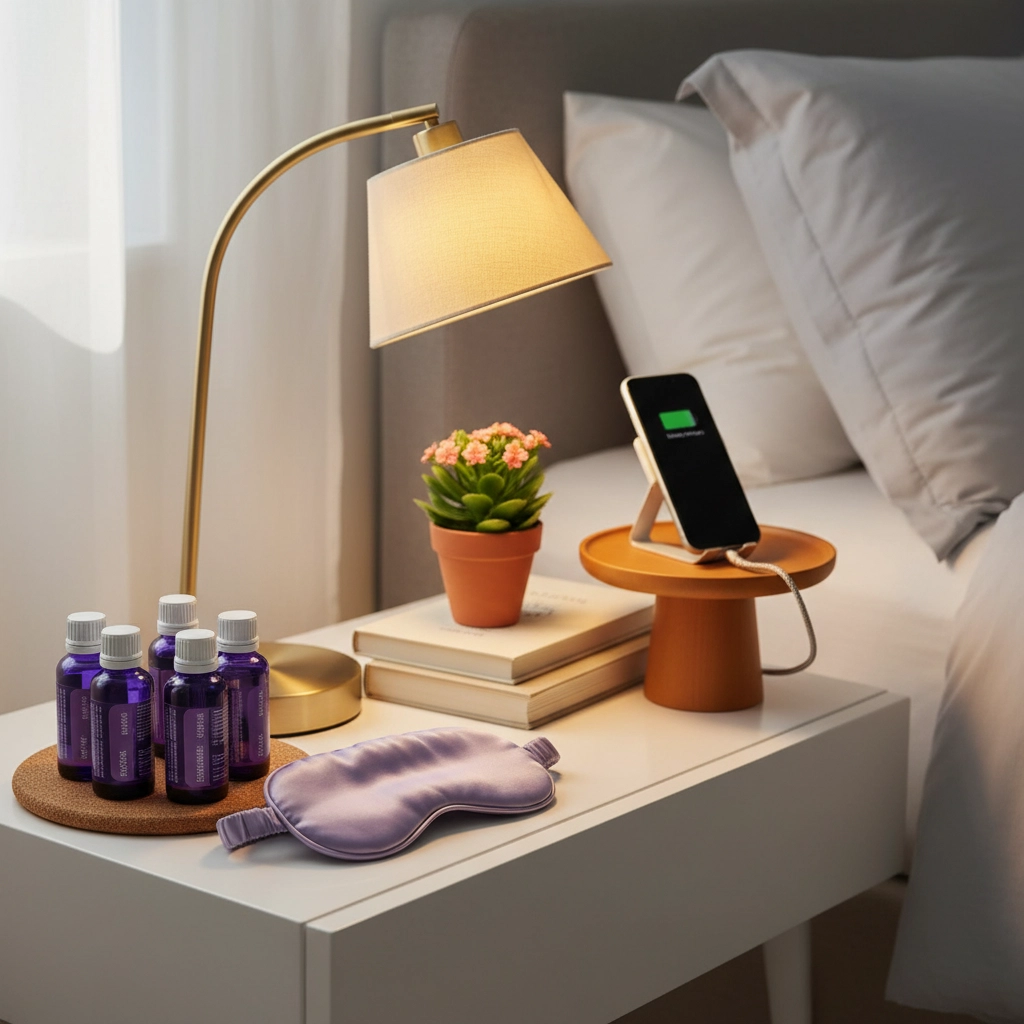
If screens wind you up, park the phone 30–60 minutes before bed. Low-friction swap: a paperback or light stretching.
No fancy tech required. Just reps and consistency.
Mental Load Also Hits Physical Output
Mental fatigue alone can reduce time-to-exhaustion, power, and tactical decision-making—even when your legs are fine [10,11]. You don’t need a spa day; you need small, reliable off-ramps for your brain.
Quick options:
5–10 minutes of quiet breathing or a walk between demanding tasks
Batch notifications; set boundaries around deep work
Keep one truly easy day each week (easy movement only)
Small changes lower perceived exertion and make hard days feel doable again.

Simple Recovery Protocols You Can Start Today
Start with the basics you’ll actually do. Pick one or two and execute them for 2–4 weeks.
Sleep basics
7–9 hours in a consistent window [5]
Cool, dark room; wind-down routine; caffeine cut 6+ hours pre-bed [5,6]
If you miss a night, don’t chase it with long naps. Get back on schedule.
Weekly training load
2–4 hard sessions per week for most everyday athletes. Fill the rest with easy/medium work and movement.
Use RPE or a simple “legs feel snappy?” check to adjust load. If you’re dragging, reduce volume or intensity that day [1].
Deload every 4–8 weeks or when performance and motivation dip for >1 week (reduce volume by ~30–50% for a week) [1].
Active recovery
On non-lifting days: 20–40 minutes easy walking or cycling. Keep it truly easy (you could hold a conversation).
After hard sessions: 5–10 minutes of light mobility and easy breathing to downshift.
Nutrition that supports recovery
Hit daily protein: roughly 1.6–2.2 g/kg/day across 3–4 meals [12].
After training: 20–40 g protein plus carbs within a few hours—no rush, just consistency [12].
Eat enough total energy to match your goal (deficits slow recovery).
Simple stress hygiene
1–2 short breaks during long work blocks (5 minutes, stand up, breathe, walk)
Protect one evening per week with no late work and a consistent wind-down
None of this is fancy. It works because it targets the main levers: sleep, load, fuel, and mental bandwidth.
This Isn’t A Trend. It’s Physiology.
Recovery practices persist because they map to how adaptation happens. Manage dose, sleep enough, fuel the work, and keep the brain from being cooked 24/7. Do that and you can train hard, progress, and stay in the game longer [1–5,8–12].
Your Next Steps (Keep It Simple)
Pick ONE:
Lock in a consistent sleep window for 7 days
Add one easy day (walk or light cycle) each week
Set protein targets and distribute across meals
Insert a deload week if you haven’t had one in >8 weeks
Do it, then reassess: Are your sessions higher quality? Do you feel less beat up? If yes, keep it. If no, adjust the dose.
You don’t need perfection. You need repeatable basics. Do them well, and your training—and life—gets easier to sustain.
References
American College of Sports Medicine. ACSM’s Guidelines for Exercise Testing and Prescription. 11th ed. 2021.
Schoenfeld BJ. The mechanisms of muscle hypertrophy and their application to resistance training. J Strength Cond Res. 2010;24(10):2857–2872.
Damas F, et al. The independent and combined effects of muscle damage and training-induced muscle hypertrophy. Eur J Appl Physiol. 2016;116:611–625.
Fullagar HHK, et al. Sleep and athletic performance. Sports Med. 2015;45(2):161–186.
Watson NF, et al. Recommended amount of sleep for a healthy adult: AASM/SRS Consensus. Sleep. 2015;38(6):843–844.
Drake C, et al. Caffeine effects on sleep taken 0, 3, or 6 hours before bedtime. J Clin Sleep Med. 2013;9(11):1195–1200.
Roehrs T, Roth T. Sleep, sleepiness, and alcohol use. Alcohol Res Health. 2001;25(2):101–109.
Meeusen R, et al. Prevention, diagnosis and treatment of overtraining syndrome. Eur J Sport Sci. 2013;13(1):1–24.
Diekelmann S, Born J. The memory function of sleep. Nat Rev Neurosci. 2010;11:114–126.
Marcora SM, Staiano W, Manning V. Mental fatigue impairs physical performance. J Appl Physiol. 2009;106(3):857–864.
Smith MR, et al. Mental fatigue in sport: A systematic review. Sports Med. 2018;48(2):247–257. (Also see: Bishop D, et al. Sports Med. 2017;47(8):1569–1588.)
Morton RW, et al. Protein intake to maximize resistance training adaptations: A systematic review and meta-analysis. Br J Sports Med. 2018;52:376–384.
Comments